


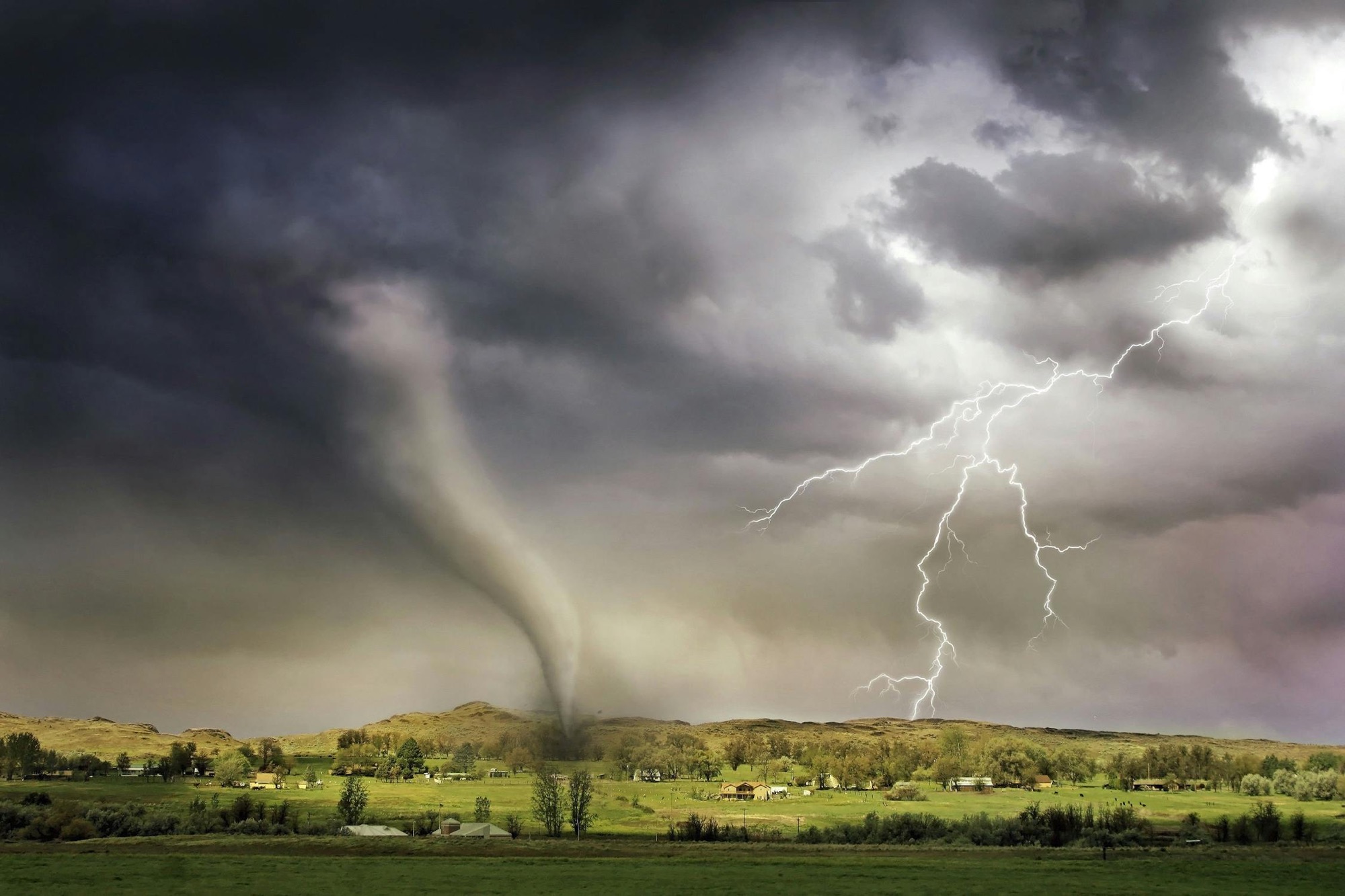
A powerful “bomb cyclone” storm is set to batter British Columbia’s coastline today, bringing hurricane-force winds, heavy rainfall, and significant disruptions to travel and daily life. Environment Canada has issued a special weather statement, warning of dangerous conditions as the storm intensifies 400 kilometers off Vancouver Island.
What Is a Bomb Cyclone?
Known as “bombogenesis” in meteorological terms, a bomb cyclone occurs when atmospheric pressure drops by at least 24 millibars within 24 hours, creating an intense storm system. According to the Weather Network, this particular bomb cyclone is expected to circulate northward, unleashing strong southeasterly winds and torrential rain on coastal regions.
Severe Weather Alerts Across the Coast
Environment Canada predicts wind gusts exceeding 118 km/h along B.C.’s coastal inlets, with hurricane-force warnings issued for marine areas. Matt MacDonald, lead forecaster for the B.C. Wildfire Service, highlighted the possibility of nine-metre waves off the coasts of Washington and Oregon, as well as damaging winds across Vancouver Island.
Tofino Mayor Dan Law urged residents to prepare by securing outdoor items, clearing downspouts, and readying generators. The unique direction of the storm’s winds, coupled with its strength, raises concerns about falling trees that are not accustomed to wind from this angle.
Marine forecasts predict waves between 40 to 50 feet, posing severe risks to public safety. Beaches in Tofino may be closed, and floating debris, such as logs, further heightens the danger.
Impacts on Travel and Transportation
B.C. Ferries is closely monitoring the storm and advises travelers to check for potential service disruptions on its website. Black Ball Ferry Line, which operates the Coho ferry between Victoria and Port Angeles, has already adjusted its Tuesday schedule to avoid high winds on the Juan de Fuca Strait.
Victoria International Airport remains operational, with no immediate flight cancellations expected. However, airlines will assess conditions and may make changes if necessary. Airport authorities are conducting regular patrols to ensure runways remain clear of debris.
Power Outages and Emergency Preparations
B.C. Hydro is on high alert, ready to respond to potential power outages caused by the storm. Crews are equipped with advanced circuit technology that can automatically detect and resolve minor electrical faults. In cases of severe weather, crews may be temporarily sent home for safety before resuming repair work.
Storm Effects on Ski Resorts and Winter Conditions
As the storm system moves inland, heavy alpine snow is expected, with ski resorts bracing for up to 100 centimeters of fresh snow. Freezing levels are projected to drop below 1,000 meters, setting the stage for exceptional skiing conditions.
Looking Ahead: A La Niña Winter
Environment Canada meteorologist Brian Proctor warns that cooler-than-normal ocean temperatures this winter, due to La Niña, could amplify storm activity in the coming months. While this bomb cyclone is particularly intense, B.C. residents should anticipate a season of similar weather events.
Safety Tips for Residents
• Secure Loose Items: Tie down outdoor furniture and secure objects that could become projectiles.
• Prepare for Power Outages: Keep flashlights, batteries, and backup power sources ready.
• Avoid Beach Areas: High waves and storm surges can create hazardous conditions.
• Monitor Travel Updates: Check for ferry cancellations and road closures before heading out.
• Stay Informed: Follow updates from Environment Canada and local authorities.
This bomb cyclone serves as a stark reminder of the power of nature. While it will remain offshore, its effects will be felt across Vancouver Island and beyond. Residents are urged to prioritize safety as this storm unfolds.
Stay tuned to Environment Canada and local news outlets for the latest updates.


