


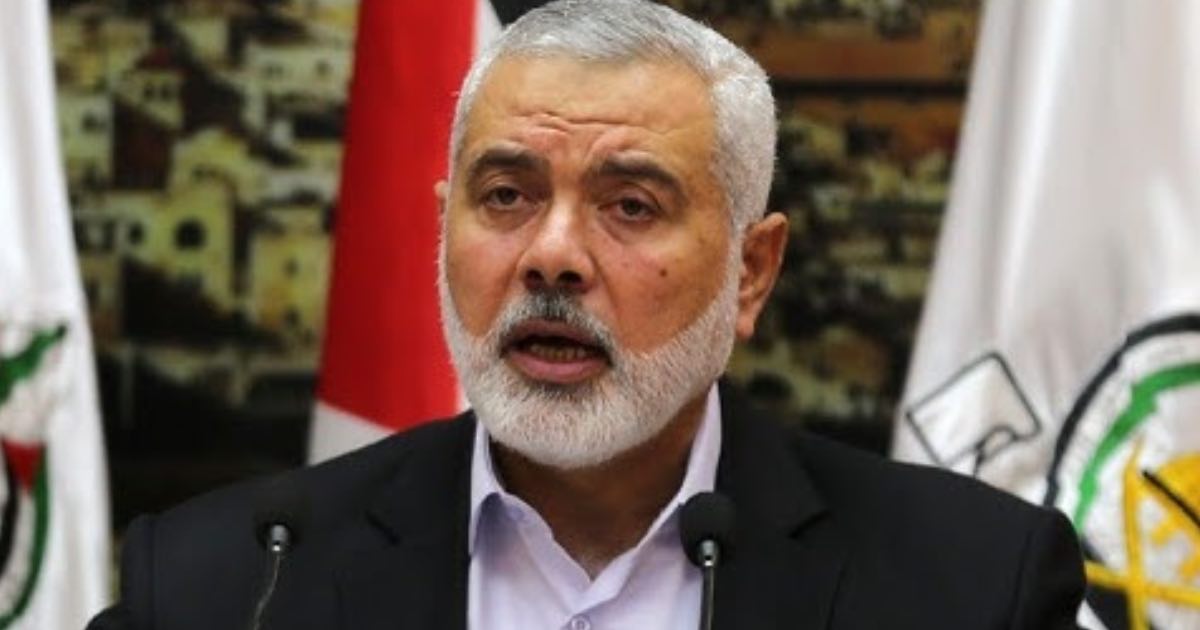
In a shocking turn of events, Ismail Haniyeh, the political leader of Hamas, was killed in Tehran. The incident has sent ripples through the geopolitical landscape, stirring tensions and prompting a flurry of reactions globally.
Background
Ismail Haniyeh, a prominent figure in Palestinian politics, had been serving as the head of Hamas’s political bureau since 2017. He was known for his influential role in the organization and his stance against Israeli policies. Haniyeh had been living in Qatar but was in Iran on a political visit when the incident occurred.
The Incident
Preliminary reports indicate that Haniyeh’s death resulted from an airstrike in Tehran. Though the exact details are still emerging, sources suggest that the airstrike was conducted by Israel. The attack targeted a location in Tehran where Haniyeh was present, leading to his immediate death.
Reactions and Implications
The news of Haniyeh’s death has triggered a wave of reactions. Hamas, in a statement, condemned the attack and vowed retaliation. “The assassination of our leader will not go unpunished,” said a Hamas spokesperson. “This act of aggression will only strengthen our resolve to fight against the occupation.”
Israel, while not officially confirming the strike, has long considered Hamas a terrorist organization and has targeted its leaders in the past. Israeli officials have often accused Iran of supporting Hamas and other militant groups in the region, further complicating the already volatile relations between the two countries.
Regional Impact
Haniyeh’s death is likely to escalate the conflict between Hamas and Israel. The assassination could lead to increased violence in Gaza and other Palestinian territories, as Hamas has vowed to retaliate. The incident also places Iran in a precarious position, given its support for Hamas and its tense relationship with Israel.
International Reactions
Internationally, reactions have been mixed. Some countries have condemned the attack, calling for restraint and urging both sides to de-escalate the situation. Others have reiterated their stance against Hamas, expressing support for measures taken to curb terrorism.
Moving Forward
The killing of Ismail Haniyeh marks a significant moment in the ongoing conflict in the Middle East. It underscores the fragile nature of peace in the region and the complexities involved in resolving the long-standing issues between Israel and Palestine.
As the situation unfolds, the international community will be watching closely, hoping to prevent further escalation and seeking ways to bring about a lasting resolution to the conflict.
The death of Ismail Haniyeh in Tehran is a critical development with far-reaching implications. As Hamas mourns the loss of its leader and vows retaliation, the risk of increased violence looms large. The incident highlights the intricate dynamics of Middle Eastern politics and the urgent need for diplomatic efforts to address the root causes of the conflict.


